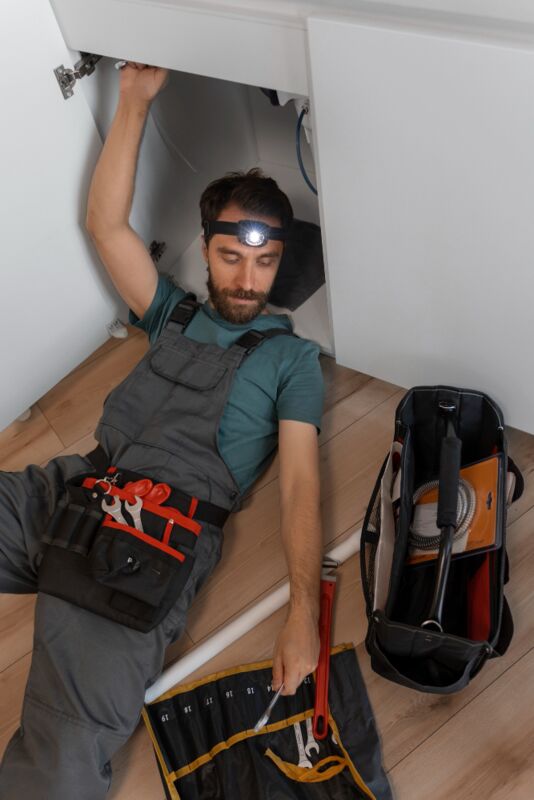
HVAC Uniform Ideas for NH Crews That Work Year-Round

HVAC Uniform Ideas That Balance Comfort, Safety, and Brand Image

In New Hampshire, HVAC technicians deal with everything from freezing winters to humid summer installs. The right uniform needs to hold up to changing weather, physical work, and customer-facing service calls.

But beyond functionality, your uniform is your first handshake. When a technician knocks on a homeowner’s door in Keene or walks into a business in Manchester, their appearance immediately signals trustworthiness and professionalism.

These HVAC uniform ideas combine durability, comfort, and professional branding, with visual examples and practical tips that work specifically for HVAC teams across NH.


What Makes a Good HVAC Technician Uniform in New Hampshire

Uniform needs change when your team works year-round in New England conditions. A shirt that works for a July AC install won’t cut it for a January boiler repair.

For local crews, a good uniform system must handle the "New England Factor"—swinging temperatures and diverse job sites.

Key requirements include:

◾ Layer-friendly designs: Mornings might start at 20°F and hit 50°F by noon. Your team needs gear that layers easily without restricting movement.

◾ Durability against the elements: Fabrics need to handle snow, mud, fiberglass insulation, and the wear-and-tear of crawling through tight basements or attics.

◾ Professional appearance: Whether it’s a residential repair or a commercial bid, the uniform should look clean enough to put the client at ease.

High Visibility & Safety: For commercial jobs or roadside work, integrating safety colors or reflective elements is often mandatory

Core Elements of HVAC Work Clothing

Every HVAC uniform starts with a few essential pieces designed for durability and performance. It's not just about slapping a logo on a cotton tee; it's about choosing the right tool for the job.

Must-have features:

◾ Breathable, moisture-wicking fabrics: Essential for keeping techs dry during hot attic work or heavy lifting.

◾ Reinforced seams and stress points: HVAC work involves kneeling, reaching, and lifting. Double-stitched seams ensure the uniform lasts longer than a few washes.

◾ Easy layering options: A system that moves from a base layer tee to a fleece-lined hoodie or vest allows techs to regulate body temp.

◾ Pockets designed for tools: Techs always need a spot for a flashlight, gauge, or phone.

Classic Branded T-Shirts for Everyday HVAC Work

Why This Works

Branded tees are a staple for HVAC technician work clothing, especially during warmer months or indoor service calls where heavy jackets get in the way. They offer maximum breathability and mobility at a cost-effective price point.

This is where professional screen printing shines. It allows for bold, large back designs that serve as a walking billboard while your team is on-site. Because Beeze Tees offers no screen or setup fees, you can easily order a fresh batch for the summer rush without worrying about hidden costs.

Pro Tips:

◾ Use darker colors: Navy, black, or charcoal hide grease, dust, and soot much better than light colors.

◾ Choose 50/50 blends: A cotton/poly blend resists shrinking and dries faster than 100% cotton—perfect for humid NH summers.

◾ Keep logos high-contrast: Make sure your phone number and website on the back are readable from a distance (like from a neighbor’s driveway).

Need to outfit a new hire? Since we have no minimum order limits, you can grab just a few shirts for a new team member without waiting for a massive bulk order. 
Shop Custom T-Shirts at Beeze Tees


Polos for Customer-Facing HVAC Service Calls

Why This Works

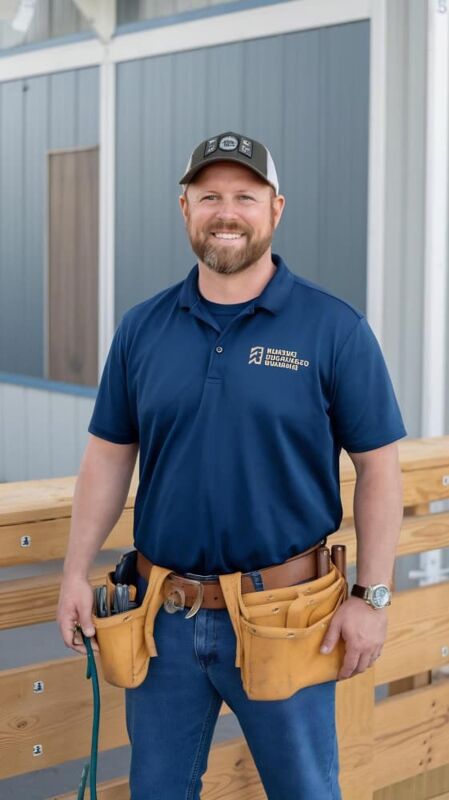
Polos create a clean, professional look for service calls where first impressions matter. For sales technicians, project managers, or service experts doing residential diagnostics, a polo shirt elevates the perceived value of your service.


Nothing beats custom embroidery for this look. Unlike ink, thread adds texture and a premium feel that says "established business."

Pro Tips:

◾ Stick to embroidery: It lasts longer and looks more professional on the collar or chest of a polo.

◾ Use moisture-wicking fabrics: "Performance" polos (like polyester blends) look crisp, resist wrinkling, and keep techs cool compared to heavy cotton piqué.

◾ Match polos to truck branding: Consistency builds recognition. If your vans are blue, your polos should coordinate.

A professionally embroidered polo from Beeze Tees helps HVAC teams look established and trustworthy on every call.


Long-Sleeve Shirts for Cold Weather and Rough Environments

Why This Works

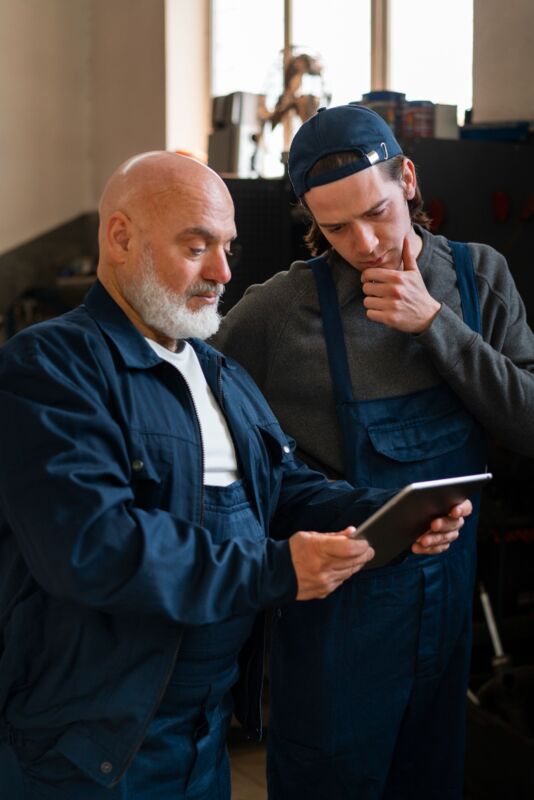
Long sleeves are about protection as much as warmth. Whether a tech is dealing with fiberglass insulation in an attic or protecting their arms from scrap metal edges during an install, long sleeves are a safety essential.

Pro Tips:
◾ Choose midweight fabrics: You want something thick enough to protect the skin but thin enough to wear under a jacket or vest.

◾ Add left-chest logos: Keep the branding subtle on the front so it doesn't interfere with safety vests or suspenders.

◾ Sleeve prints: Consider running your company name down the sleeve for extra visibility when a vest covers the chest logo.


Hoodies and Sweatshirts for New Hampshire Winters

Why This Works

Let’s be real: From November to March, this is the uniform. Cold mornings and outdoor condenser unit installs make hoodies a non-negotiable must-have for NH HVAC teams.

Pro Tips:
◾ Use fleece-lined hoodies: These provide the best insulation against the biting wind.

◾ Watch the zipper: Full-zip hoodies are great for easy removal, but pullover hoodies often provide more warmth and have more print surface area.

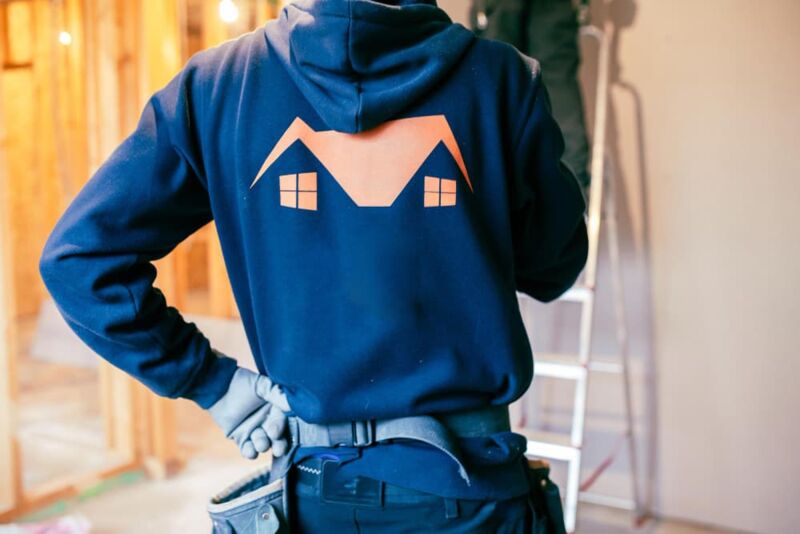
◾ Add back logos for visibility: When a tech has their back to the street working on a unit, that hoodie is your best advertising space.


Work Pants and Bottoms That Support Long HVAC Shifts

Why This Works

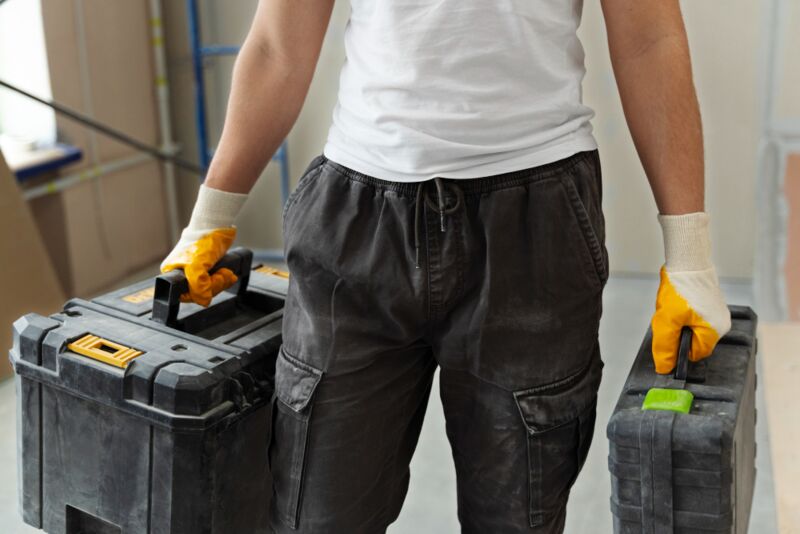
While not always branded, durable pants complete a functional HVAC uniform setup. A tech in a branded shirt but ripped jeans looks unprofessional. Uniform pants ensure the whole team looks cohesive.

Pro Tips:

◾ Reinforced knees: This is the #1 failure point for HVAC clothing. Look for double-front panels.

◾ Stretch fabrics: Techs spend half their day squatting or climbing ladders. Flex fabric is a game-changer for comfort.

◾ Neutral colors: Stick to black, navy, or khaki to pair easily with any branded top.


Hats and Beanies for Everyday Brand Visibility

Why This Works

Hats extend branding beyond shirts and jackets. In the summer, a cap keeps the sun/sweat out of eyes; in the winter, a beanie keeps the heat in. It’s an inexpensive accessory that techs actually want to wear.

Pro Tips:

◾ Embroidery is key: A patch or direct embroidery on a hat lasts for years.

◾ Match hat colors: If your uniforms vary (e.g., safety yellow shirts vs. navy polos), a neutral grey or black hat can tie the whole look together.

◾ Offer options: Give your crew a choice between structured trucker hats (more airflow) and solid caps.

Beeze Tees offers embroidered hats and beanies that tie your HVAC branding together year-round.


HVAC Uniform Branding Options Explained

Branding Method Best For Durability Look & Feel
Screen Printing T-shirts, Hoodies, Safety Vests Medium–High Bold, vibrant, highly visible from a distance. Best for large back logos.
Embroidery Polos, Hats, Jackets, Fleeces High Premium, textured, professional. Best for left-chest logos and names.
Heat Transfers Names, Small Runs, Performance Fabrics Medium Flexible placement, great for adding individual tech names to shirts.

HVAC Uniform Ideas That Reinforce Local Branding

New Hampshire HVAC companies benefit from uniforms that feel local and established. You aren't a faceless national chain; you are neighbors serving neighbors.

◾ Add "Serving New Hampshire" or town names: Adding "Keene, NH" or "Monadnock Region" to your back print builds instant local trust.

◾ Match uniform colors to fleet vehicles: If your vans are wrapped in bright green, your shirts should match. We can color-match inks to your specific brand colors.

◾ Use consistent branding across crews: Whether it’s the install crew, the service tech, or the office manager, a unified visual identity makes your company look larger and more organized.

Beeze Tees works closely with New Hampshire HVAC companies to create uniforms that align with local branding and real job conditions.

Common Mistakes to Avoid

◾ Choosing fashion over function: A shirt might look cool, but if it shrinks in the wash or rips on a nail, it’s useless to a tech.

◾ Using low-quality prints: Faded, cracking logos make a company look outdated. Quality curing (which we prioritize at our Marlborough factory) ensures prints last.

◾ Mixing too many colors: Stick to a 1-2 color logo for workwear. It’s cheaper to print and usually easier to read quickly.

◾ Ignoring seasonal needs: Don't force your guys to wear heavy cotton polos in a 90-degree attic. Give them a lightweight option.

Bringing Your HVAC Uniform Program Together

The best HVAC uniform ideas are not about picking one shirt or one logo. They are about building a consistent system that works across seasons, job types, and customer interactions. In New Hampshire, that means uniforms that layer easily, hold up to real job conditions, and present a professional, trustworthy image on every service call.

When HVAC teams wear uniforms that are comfortable, durable, and branded consistently, it shows. Customers recognize the company before the truck pulls away. Technicians feel prepared for long days in changing weather. And the business benefits from uniform branding that works as everyday marketing.

Working with a local partner like Beeze Tees makes it easier to build HVAC uniforms that fit New England conditions and real-world use. From screen-printed work tees to embroidered polos, hoodies, and hats, the right uniform setup helps HVAC companies across New Hampshire look professional, stay comfortable, and stand out in a competitive market.


Comparing Popular Cleaning Uniform Options

FUNNY PLUMBING SHIRTS TO ADD PERSONALITY

FAQs

Generally, HVAC uniforms should be refreshed every 6 to 12 months, or as soon as they show visible signs of wear like fading, rips, or stubborn stains. Keeping a "fresh" appearance is crucial for customer trust. Since Beeze Tees has no minimums, you can replace individual worn-out items as needed without waiting to place a huge order.
It depends on the garment. For polos, jackets, and hats, embroidery is superior because it is incredibly durable and looks more professional. For t-shirts and hoodies, screen printing is better because it is lighter weight, more breathable, and cost-effective for large logos on the back.
Yes! Adding a technician’s name creates a personal connection with the customer and adds accountability. We can add names to jackets or shirts using embroidery or heat transfers, making your crew feel like a true team.
Your quote is empty
Search